
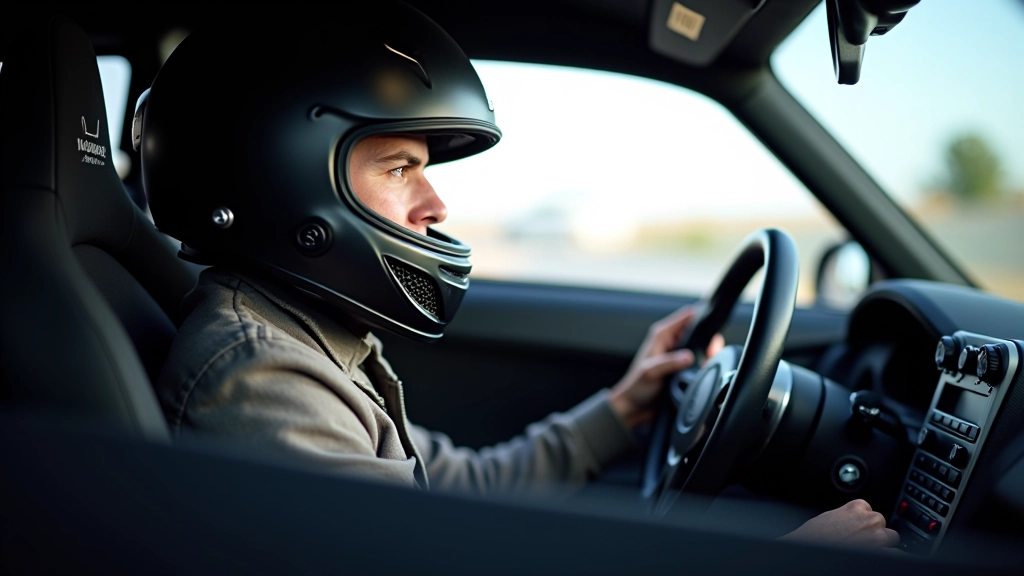
Braking Technique Essentials for Performance Driving
Master the braking techniques that separate casual drivers from track-ready performers. Learn threshold braking, trail braking, and how to maximize deceleration safely.
Learn how to safely explore vehicle dynamics, recognize grip limits, and develop feel for the car's behavior at speed.

The limit isn't a single moment where your car suddenly stops responding. It's a range. Think of it like the difference between walking and running — there's no exact point where you switch. Instead, your car's grip progressively decreases as you ask more from it. Speed, braking, turning, acceleration — they all push toward a threshold where the tires lose their grip with the pavement.
Understanding this range is everything. You're not trying to crash at the limit. You're learning where it lives, how your car communicates when it's getting close, and how to keep yourself safely below it. Most drivers spend their entire lives never feeling this. Track driving changes that. It's the difference between knowing your car theoretically and actually understanding it.
Every car has different limits. A sports car with performance tires? Much higher than a sedan. Add rain, cold tires, or worn asphalt? The limit drops immediately. That's why we start slow and build progressively. Your job is to find where YOUR car's limit is TODAY, in THESE conditions.
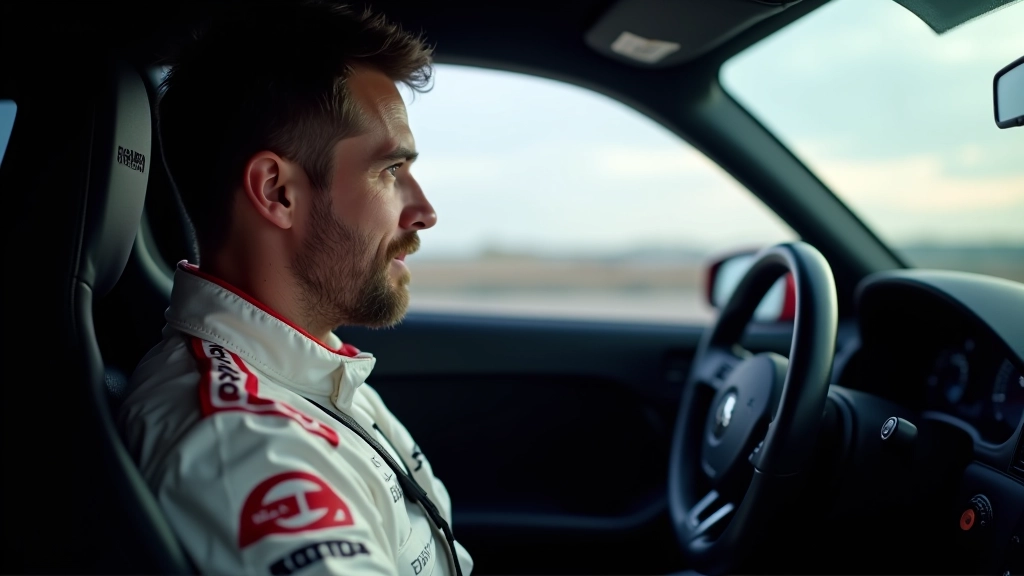
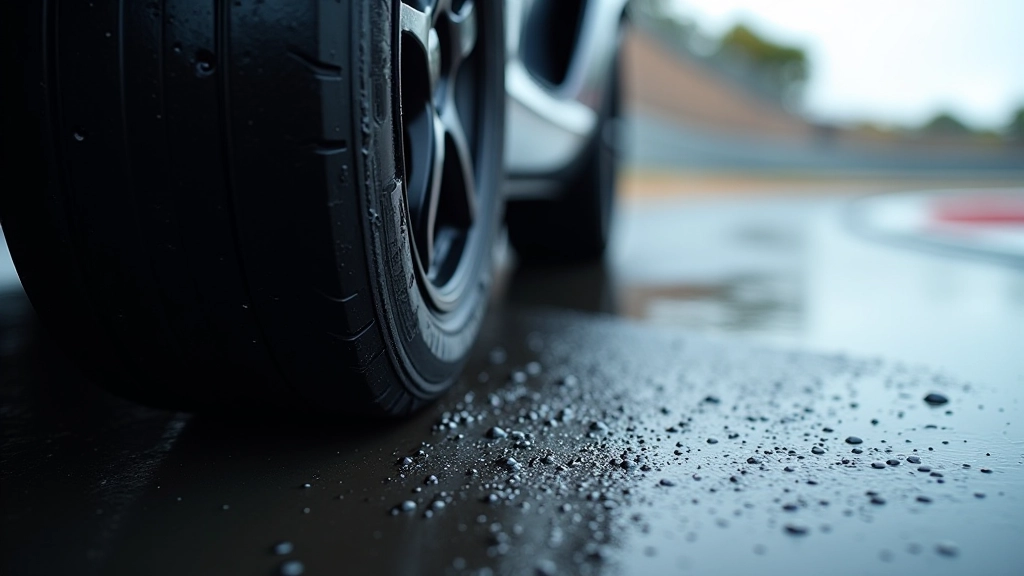
Your car's talking to you constantly. Most drivers never listen. The steering wheel tells you about front-end grip. The seat tells you about balance. The sound of the engine, the vibration through the pedals — it's all information. On the track, you're learning a language you've never needed to speak before.
Understeer is the most common signal. The front end pushes wide, and you can't turn as sharply as you wanted. Your steering input doesn't match your result. It feels heavy, unresponsive. Oversteer is the opposite — the rear slides out. Both mean you've reached the limit. Both are fixable. Understeer? Back off the throttle, straighten the wheel slightly, let the front grip recover. Oversteer? Smooth steering corrections, modulate throttle. You're managing, not panicking.
The goal isn't to experience big slides. It's to recognize the EARLY signals. A slight looseness in the rear. A small push at the front. Catching these moments before they become problems — that's the real skill. And that only comes from practice.
You don't walk into a track session and immediately find the limit. You build into it. Lap 1 is about smoothness and learning the circuit. Lap 5, you're faster but still controlled. By lap 15, you're starting to feel the car's responses more clearly. This isn't timid driving. It's smart driving. It respects the physics and your own learning curve.
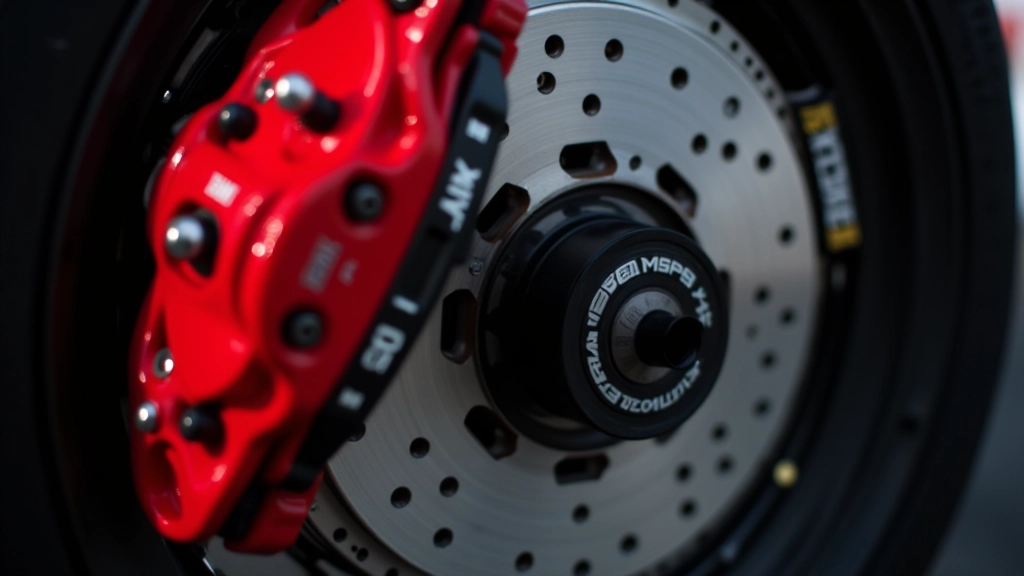
Here's where most drivers mess up. They're braking and turning simultaneously. The tires can handle braking. They can handle turning. But doing both at maximum? That's when you run out of grip. The tire has a limited amount of grip to use. You're splitting that budget between stopping and changing direction. Max out one, and the other suffers.
Professional drivers separate these phases. Brake hard in a straight line. Release the brakes completely before you turn. Now turn. Once you're through the corner and the car's settled, then accelerate. It sounds slow. On paper, it is — by maybe a few tenths of a second. But it's faster and safer because you're not asking the tires to do impossible things. You're working within physics instead of fighting it.
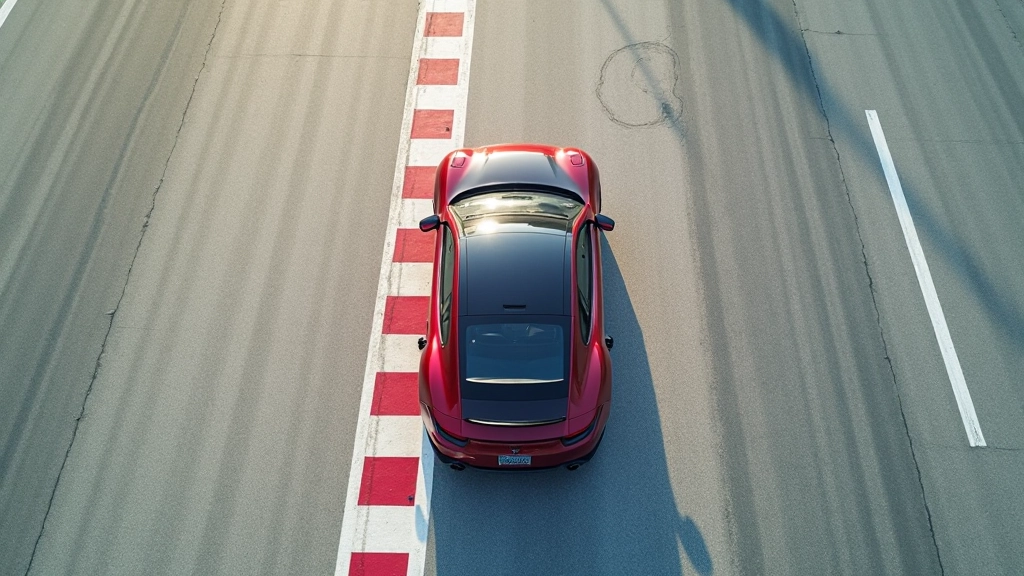
You've probably heard this term. The racing line is the path that allows you to go fastest through a corner while using the least amount of grip. It's not always the most direct line. It's the smoothest line. Wider entry, later apex, earlier exit. This geometry lets you carry more speed because you're not asking the car to turn as sharply.
On the track, you'll see paint marks or tire marks showing the common line. Follow them initially. Don't overcomplicate it. Later, you'll learn variations for different cars and conditions. But the fundamental principle stays the same — smooth, wide lines use less grip than tight, sharp lines. Your first few sessions, nail the basics. Smooth beats fast every time.
First session? Drive at 70% effort. Feel the car. Learn the circuit. By session three or four, you'll be much closer to the limit — but from a place of understanding, not fear.
Jerky inputs, sudden steering changes, abrupt throttle application — these all reduce grip. Smooth, progressive inputs keep the car balanced and in control. Smoothness looks slower. It's actually faster.
Tire noise, steering feel, body movements — your car's constantly communicating. After each session, think about what you felt. What changed from lap 1 to lap 20? What did the car do when you pushed a little harder?
Rain, cold tires, hot track, worn tires — every variable shifts the limit. What worked at 9 AM might not work at 2 PM when the track's hotter. Adapt. That's the real skill.
There's a difference between the car's limit and YOUR limit. Your limit might be higher after five track days than after one. Both are valid. Push at your pace, not someone else's.
One of the biggest surprises for track beginners is how early professional drivers brake. It feels excessive at first. But it gives them a massive advantage — they're turning at the apex with fresh tires that have grip to spare.
Understanding your car's limits isn't about being reckless. It's the opposite. It's about operating with complete awareness and control. You'll know exactly what your car can do in any situation. You'll feel the edges before you reach them. You'll make smooth, calculated adjustments instead of panicked reactions.
This knowledge transforms how you drive everywhere. Not just on the track. Your everyday driving becomes calmer, more precise, safer. You're not white-knuckling the wheel or guessing how the car will respond. You know. That confidence, that understanding — it's what separates people who've had track experience from everyone else.
Your first track day will feel overwhelming. That's normal. You're processing new sensations, learning new skills, experiencing speeds you've never driven before. By your third or fourth session, things click. The car starts talking to you in a language that makes sense. The track becomes familiar. And you? You'll be genuinely surprised at what you can do when you're operating from knowledge instead of assumption.
This article is informational only and provides general educational guidance about track driving concepts. Track driving involves inherent risks. Always follow official track day protocols, attend professional instruction, wear appropriate safety equipment, and drive within your skill level and comfort. Consult with experienced instructors about your individual situation and vehicle setup.
Author
Editorial Team
Written by the Track Performance editorial team, focused on practical, honest guidance for high-performance driving preparation.
Master the braking techniques that separate casual drivers from track-ready performers. Learn threshold braking, trail braking, and how to maximize deceleration safely.
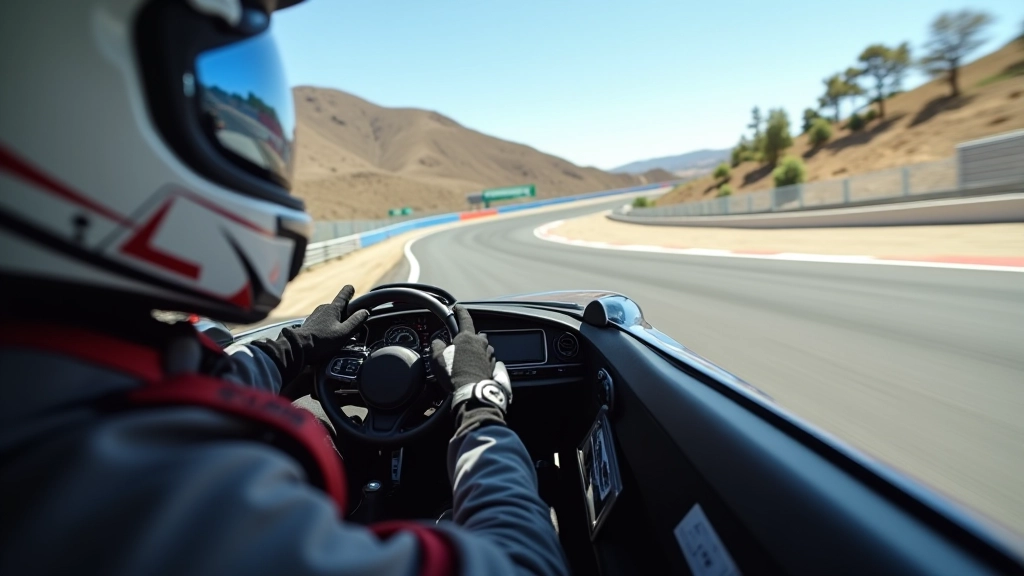
Understand the physics and technique of controlled drifting. From entry angle to load transfer, discover how professional drivers maintain control at extreme angles.
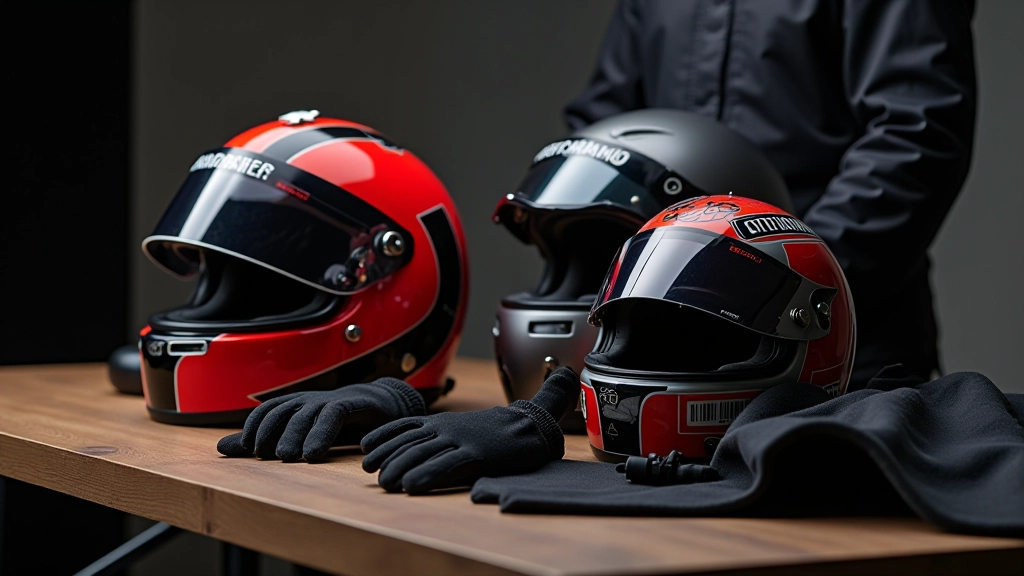
Essential safety knowledge for track day participation. From pre-event vehicle checks to in-session protocols, ensure you're prepared and protected.