

Understanding Your Car's Limits on the Track
Learn how to safely explore vehicle dynamics, recognize grip limits, and develop confidence in your car's capabilities.
Read ArticleYou're about to experience some of the most thrilling moments of your driving life. But before you hit the track, there's work to do. We'll walk you through the essential safety preparation that separates confident drivers from anxious ones.
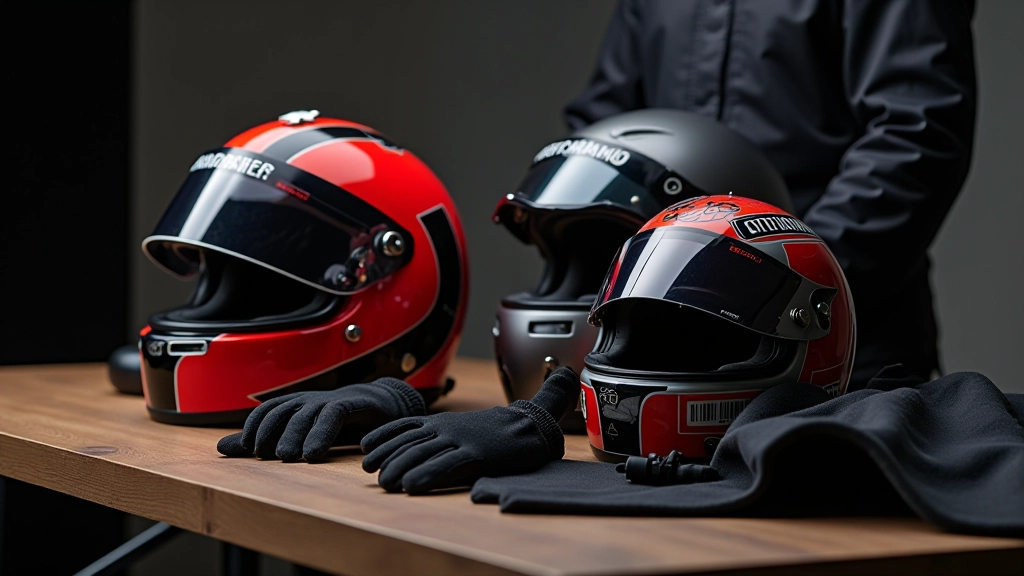
Track day safety isn't about being overly cautious. It's about being prepared. The drivers who walk away feeling pumped instead of panicked? They've done the homework. They understand their car, they know the rules, and they've practiced the fundamentals.
This guide covers the three critical areas: vehicle preparation, personal protective equipment, and on-track protocols. You'll learn what actually matters and what's overkill for a typical track day. Most importantly, you'll understand the reasoning behind each step—not just the checklist.
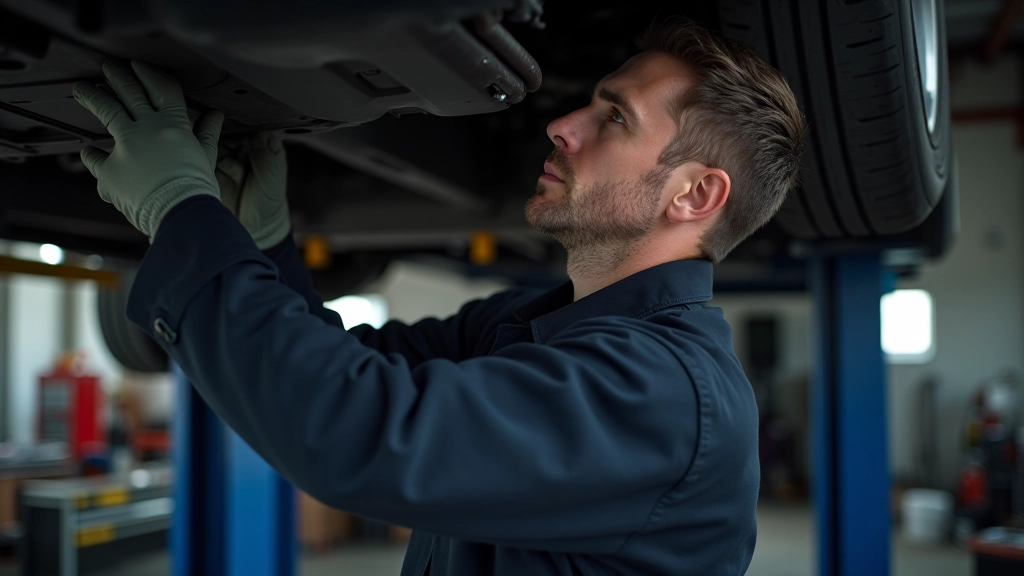
Your car needs to be in good mechanical condition—this isn't negotiable. But you don't need a full rebuild. Here's what you're really checking for: anything that could fail under sustained high performance.
This is priority number one. You'll brake harder and more frequently than street driving. Check pad thickness, rotor condition, and fluid level. Fresh brake fluid before a track day is worth the $30.
At least 4/32" tread depth—but honestly, newer tires perform better. Pressure matters too. You'll want to check it when the tires are cold, before you drive. Most track drivers run 1-2 PSI higher than street pressure for better turn-in response.
Engine oil, coolant, and transmission fluid all get stressed at the track. Top them off and inspect for leaks. If your car's leaking anything, don't drive it—not because it's dangerous necessarily, but because you don't want to damage the track surface or risk mechanical failure mid-session.
No excessive play in the steering wheel, no clunking sounds from the suspension. If you've got worn bushings or bad shocks, get them sorted before the track day. The forces you'll experience will expose every weak point.
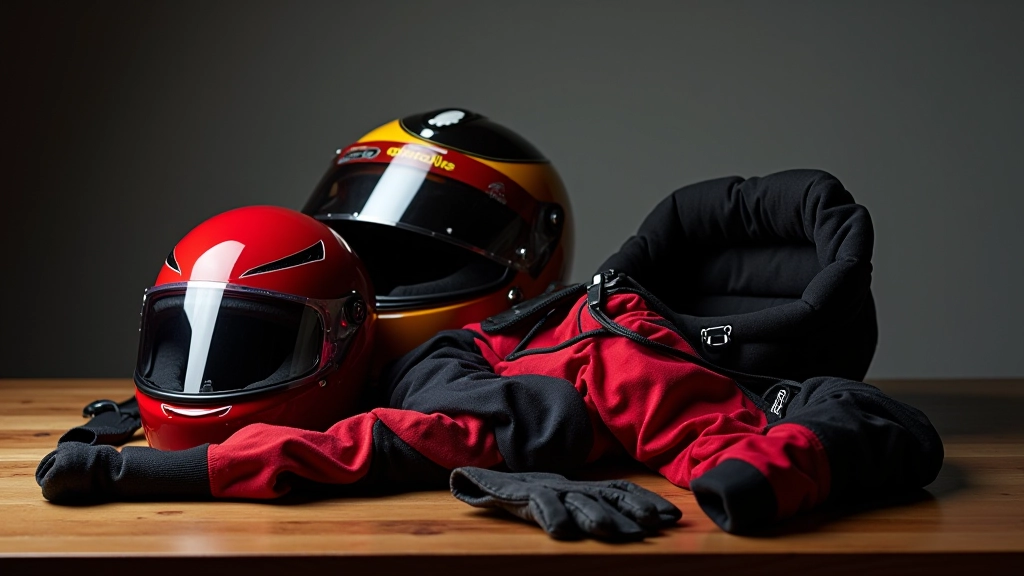
You're going to be moving fast. Accidents happen—usually not because of anything you did wrong, but because track driving is inherently higher-risk than street driving. Proper gear isn't optional; it's your defense system.
Racing Helmet (SFI 41.1 or Snell SA2020+) : This is your first line of defense. Street helmets don't cut it—they're designed for lower-impact scenarios. A proper racing helmet runs $300-800, but your brain is worth it. Make sure it fits snugly; a loose helmet is almost useless in an impact.
Fire-Resistant Racing Suit : Cotton won't save you from a fuel fire. You want a suit rated FIA or SFI that's specifically designed for motorsports. Two-piece suits offer better mobility than one-piece, and that matters when you're spending 2-3 hours in the car.
Racing Gloves and Shoes : These protect your hands and feet in a crash. More importantly, they give you better feedback and grip on the wheel. You'll notice better control within your first lap.
Your first lap sets the tone for the entire day. Even if you're an experienced street driver, the track demands respect. You don't know the braking zones, the grip levels, or how your car feels at 7/10ths effort.
Most track day organizations run a slower "warm-up" session first. Use it properly. You're not trying to set a lap record—you're learning. Get a feel for the track, figure out where the braking points are, and understand how your car handles the turns.
Drive at 5-6/10ths effort. You're learning the line, understanding the surfaces, and getting a feel for where other cars are on track. Don't brake late. Don't push the apex. Just drive smoothly and consistently.
Gradually increase to 7/10ths. You know the track now. Start hitting consistent lines. Pay attention to how the car responds—which turns feel planted, which ones require caution. This is where you learn your car's limits, not exceed them.
Pull in, grab water, and think about what you felt. Which turns did you handle well? Where did the car feel loose or nervous? Later sessions can be faster—only after you've got the fundamentals locked in.

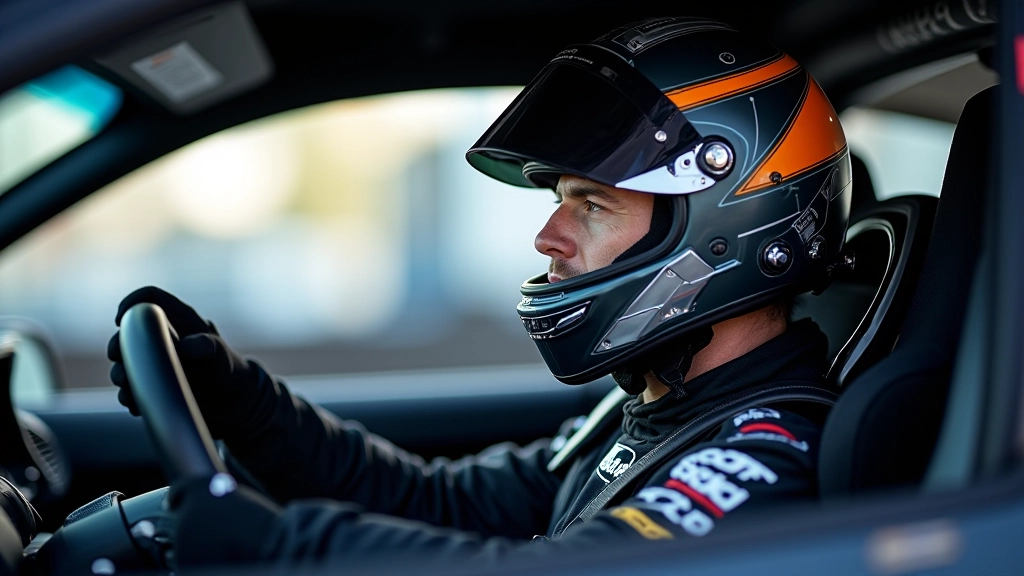
Here's what separates the drivers who come back wanting more from the ones who feel exhausted: mindset. Track driving demands focus. You're managing speed, line, throttle control, and spatial awareness all at once. Your brain is working hard.
Come prepared to be humble. You'll probably be slower than you expect on your first day. That's normal. Every driver experiences it. The guys doing 1:45 lap times started at 2:15. They just kept showing up, kept learning, and kept respecting the process.
"Track days aren't about being the fastest person there. They're about being faster than you were yesterday. And about having fun without putting yourself or others at risk."
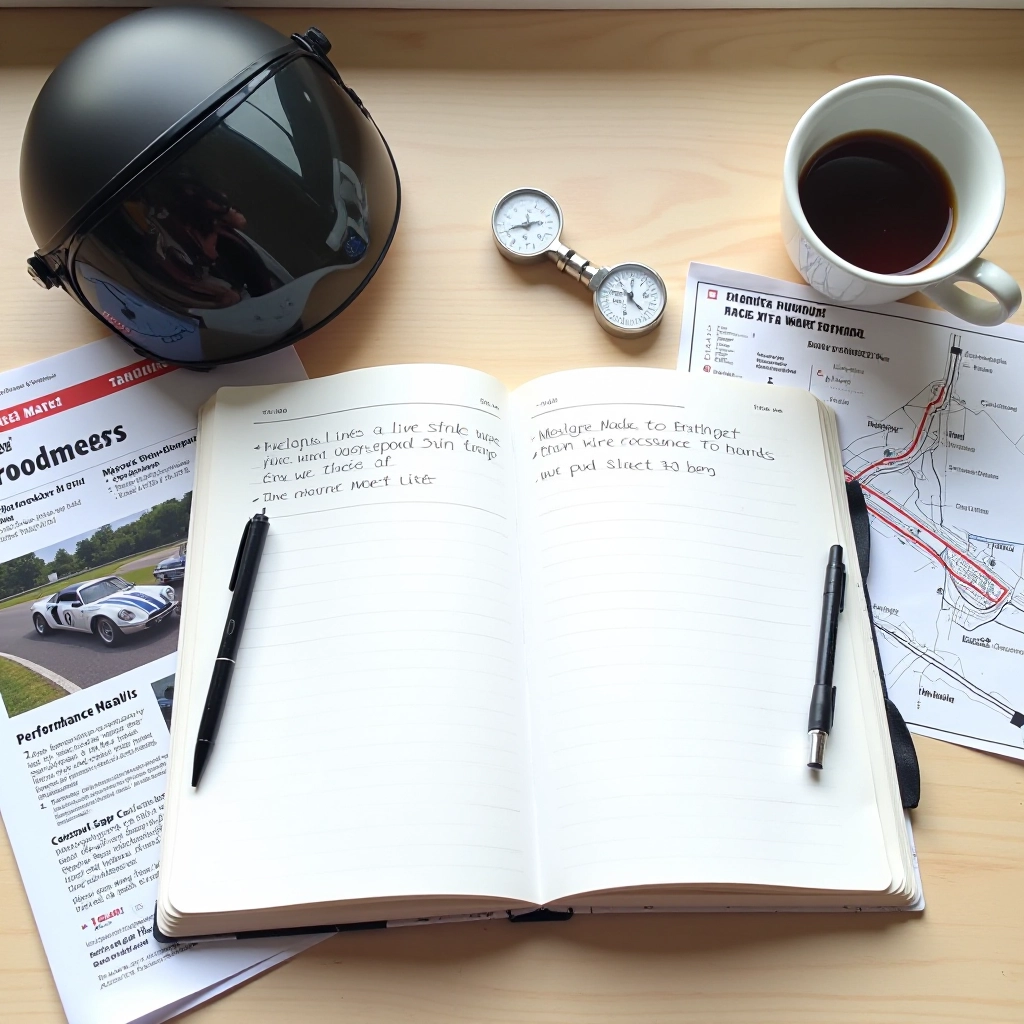
Bring a notebook. Write down what you learned in each session. Did the car feel different after you adjusted tire pressure? Did a particular corner feel better when you hit it differently? These observations compound. By session four or five, you'll notice real improvements.
Most importantly: respect the other drivers. Stay aware of where everyone is. Use your mirrors. Signal your intentions. The track is shared space, and your safety depends on everyone making good decisions.
The drivers who have the best experience aren't the ones with the fastest cars or the most natural talent. They're the ones who show up prepared. They've checked their car. They've got the right gear. They understand the rules. And they're realistic about what they'll accomplish in a single day.
This guide covers the fundamentals—the non-negotiables. Vehicle safety, personal protection, and sensible on-track behavior. Master these, and you'll be ready for whatever your track day throws at you. You'll also be the kind of driver that other people respect, the kind who gets invited back, and the kind who actually improves with each session.
Start conservative. Be consistent. Ask questions. And remember: every great driver you see at the track was once exactly where you are right now—nervous, excited, and ready to learn.
Author
Editorial Team
Written by the Track Performance editorial team, focused on practical, honest guidance for high-performance driving preparation.
Learn how to safely explore vehicle dynamics, recognize grip limits, and develop confidence in your car's capabilities.
Read Article
Master the fundamentals of threshold braking and trail-braking to unlock better control and faster lap times.
Read Article
Explore the techniques behind drift initiation, throttle control, and smooth transitions in controlled environments.
Read ArticleThis article is informational only and is not professional driving instruction, mechanical advice, or a substitute for qualified instruction at your chosen track day facility. Always follow the specific safety protocols and requirements of your track, your car, and your driving experience level. Consult with experienced instructors and your vehicle manufacturer for guidance specific to your situation. High-performance driving carries inherent risks—participate at your own discretion and responsibility.