

Understanding Your Car's Limits on the Track
Learn how to safely explore vehicle dynamics, recognize grip limits, and develop confidence through structured practice.
Read MoreMaster the fundamentals of trail braking, threshold stopping, and load transfer control. Learn how professional drivers approach deceleration on the track and why it's the foundation of everything else.

Braking isn't just about slowing down. It's about control. Most drivers treat the brake pedal like an on-off switch, but on track, it's your primary tool for managing speed, balance, and tire grip. Get this right and everything else becomes easier.
Whether you're preparing for your first track day or refining your technique, understanding how to brake efficiently makes the difference between struggling through corners and carrying momentum confidently. We'll walk through the core principles, the techniques that work, and how to practice them safely.
When you press the brake pedal, load shifts forward. The front tires load up, gaining grip. The rear tires unload. This happens instantly, and if you're not managing it properly, you'll either lock up the fronts or spin the rears.
The key is progressive pressure. Start hard, then ease off smoothly as you approach the corner. Don't be abrupt about it. A smooth transition from maximum braking to trail braking (light brake pressure while turning) keeps load balanced and tires working together.
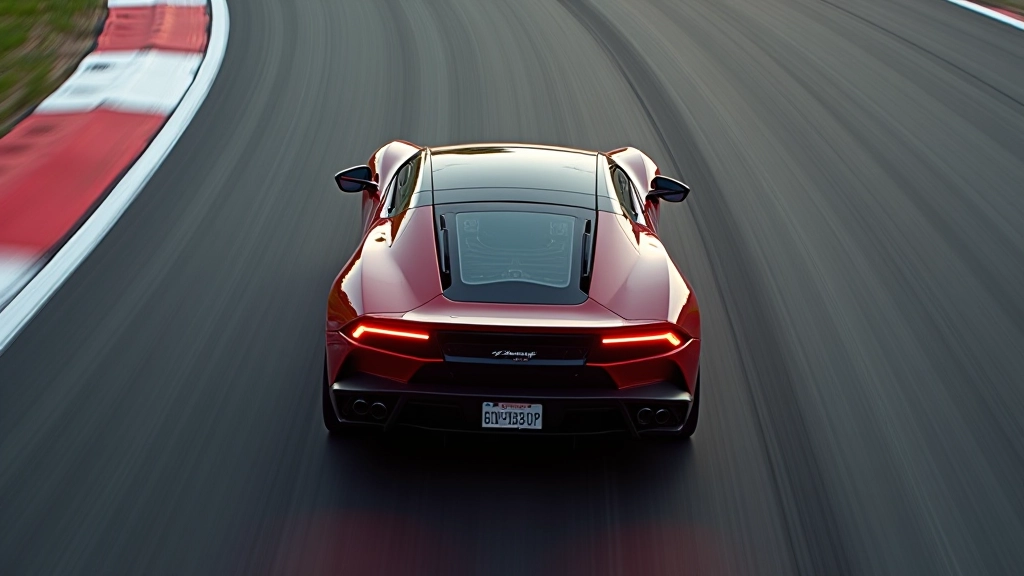
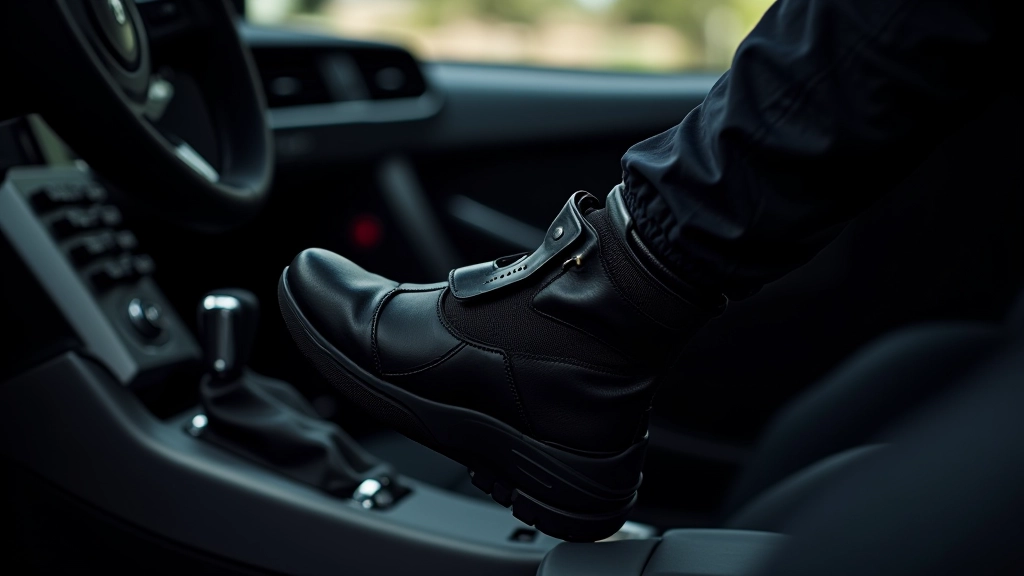
Threshold braking means applying the maximum safe brake pressure without locking the wheels. You're right at the edge of grip. This takes feel, and that comes from practice.
Start conservatively. Brake earlier than you think you need to. Feel how the car responds. As your confidence builds, you'll start braking later and harder. But there's a line—cross it and the wheels lock, you lose steering, and you're in trouble.
Modern cars with ABS will pulse the brakes for you if you lock up, but don't rely on that. The goal is smooth, modulated pressure. Your toes stay relaxed, your heel stays planted, and you're making small, controlled movements with the ball of your foot.
Pro tip: On your first few track days, use engine braking as much as possible. Downshift smoothly while braking lightly. This keeps load more balanced and gives you feedback about how the car's feeling. It's safer while you're learning.
You won't master this in one session. Braking technique is built over multiple track days through repetition. Here's how to structure your practice:
Each session, pick one corner and focus just on that. Master the braking point, the pressure curve, the load transfer. Don't try to improve everything at once. Small, deliberate practice beats unfocused laps every time.

It's tempting to brake as late as possible. Don't. You'll lock up, miss the apex, and waste momentum. Brake early enough that you can modulate smoothly into the corner.
Jerky, abrupt pressure causes load to shift too quickly and unsettles the chassis. Progressive application is everything. Build pressure smoothly over 1-2 seconds.
Hard braking while steering will overload the front tires. You've got to separate your inputs. Brake straight, then turn. Trail braking is light pressure only.
Cold tires have less grip. Your first few laps aren't the time to push threshold braking. Let the brakes warm up first. The difference in feel is huge.
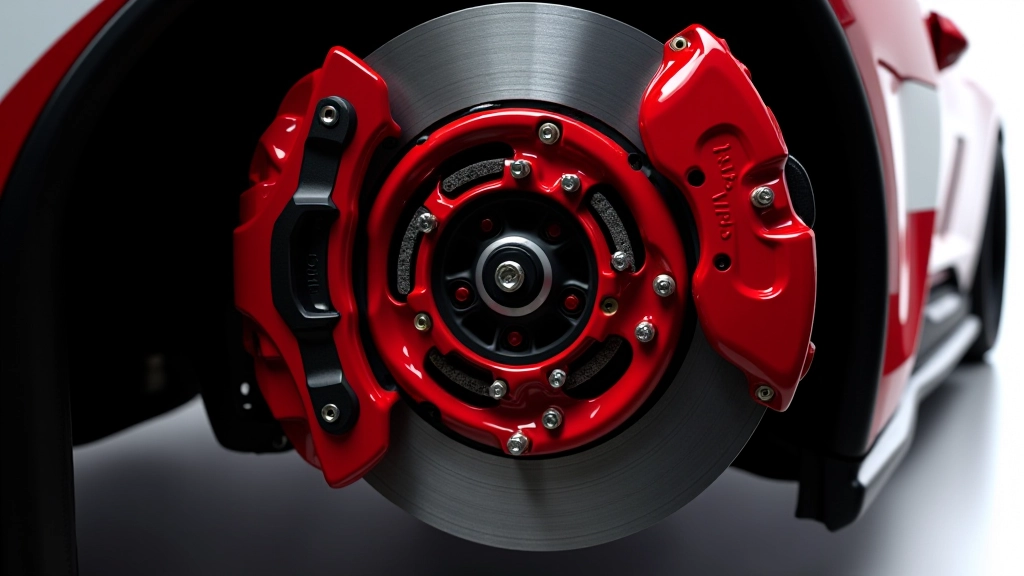
You can't execute perfect technique with poor equipment. Before your track day, check your brakes thoroughly. Spongy pedal feel? Get the system bled. Worn pads? Replace them. This isn't optional.
On track, your brakes will get hot. Street pads can fade dramatically. Most venues recommend or require high-temperature brake fluid and performance pads. The extra spend pays back in confidence and consistency. Your braking feels predictable lap after lap, not deteriorating as temperatures climb.
Braking technique is foundational. You'll spend hours at track refining it, and honestly, you never stop learning. But the basics are clear: smooth progressive pressure, early braking points, separation of inputs, and repetition.
Your first track day might feel overwhelming. That's normal. Focus on one thing—smooth braking. Get that right, and the rest of your driving improves naturally. Your confidence grows, your lap times drop, and track days become genuinely fun instead of stressful.
Bring the right mindset: curious, patient, and willing to practice the same corner 20 times if that's what it takes. The drivers you admire didn't get good overnight. They showed up, worked on the fundamentals, and kept coming back.
This article is informational and educational in nature. Track driving involves inherent risks. Always follow your vehicle manufacturer's guidelines, obey track facility rules and safety protocols, and consult with certified instructors for personalized guidance. We're not responsible for how you apply this information. Drive responsibly, stay within your limits, and prioritize safety above all else.
Editorial Team
Written by the Track Performance editorial team, focused on practical, honest guidance for high-performance driving preparation.
Learn how to safely explore vehicle dynamics, recognize grip limits, and develop confidence through structured practice.
Read More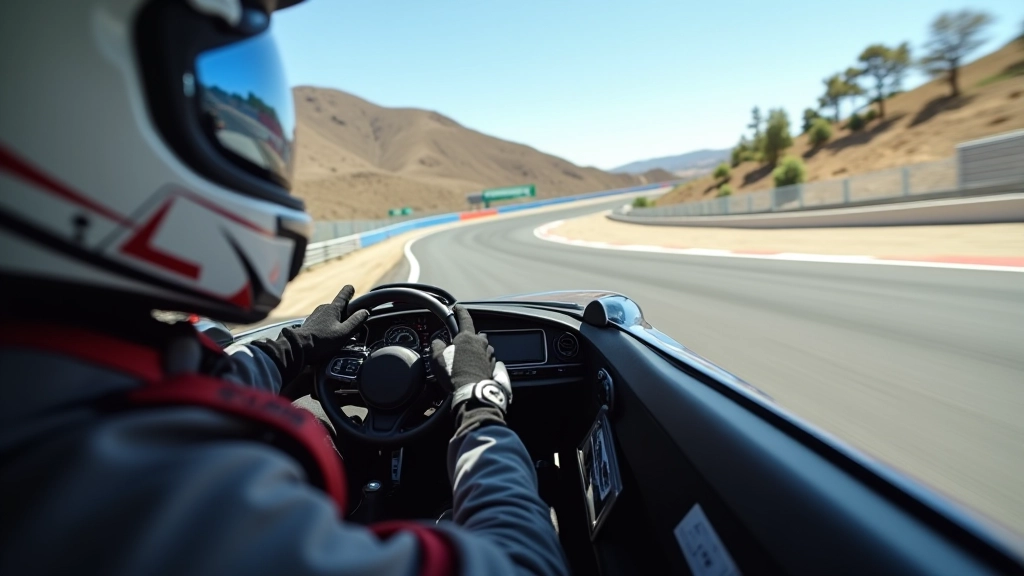
Master the basics of controlled drifting, from initial slide setup through maintaining angle and recovering smoothly.
Read More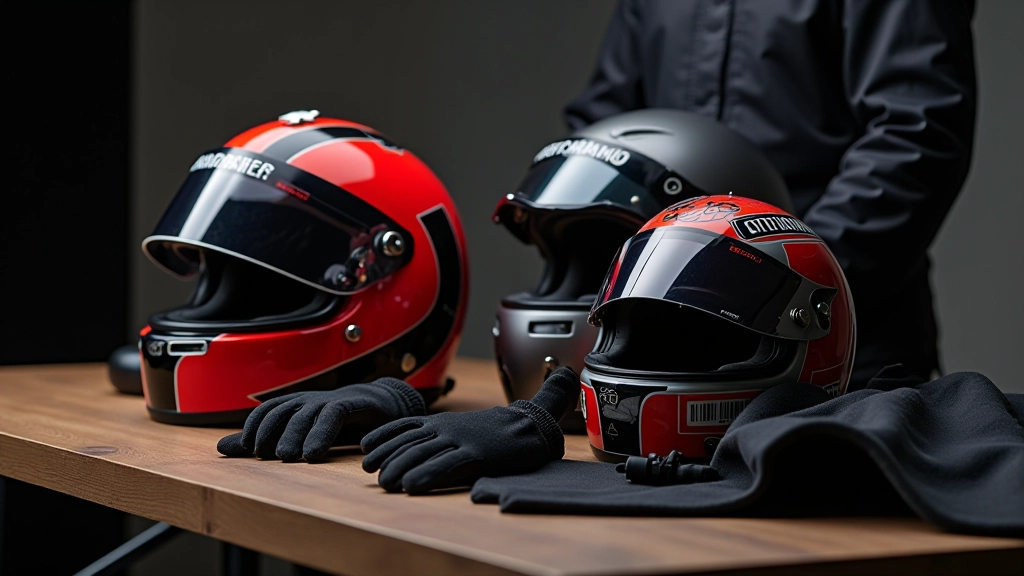
Everything you need to know about staying safe on track—from pre-event checks to in-car protocols and emergency procedures.
Read More