

Understanding Your Car's Limits on the Track
Learn how to safely explore vehicle dynamics, recognize grip limits, and develop confidence in your car's capabilities through structured practice.
Read MoreMaster the techniques that separate precision drivers from amateurs. Learn how to initiate, maintain, and exit a drift with confidence and control on the track.
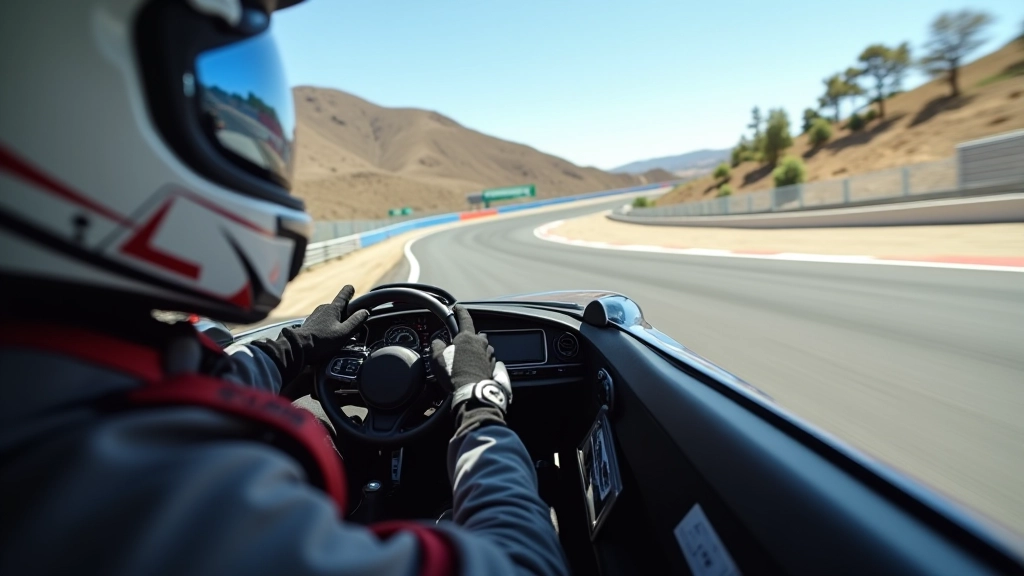
Drifting isn't just about sliding sideways. It's a controlled technique that requires understanding load transfer, throttle modulation, and steering inputs working in perfect harmony. Whether you're preparing for an advanced track day or looking to expand your driving skill set, learning to drift properly transforms how you approach high-performance driving.
The difference between a controlled drift and a crash comes down to fundamentals. We'll walk you through the mechanics, the techniques, and the practice methods that serious drivers use to master this skill.
Before you can drift, you need to understand what happens when a car reaches the edge of grip. When you approach a corner at speed, the mass of your vehicle shifts to the outside wheels. This load transfer is everything — it's what determines whether your tires maintain grip or break loose.
In a drift, you're intentionally pushing the car beyond its grip limit. The front wheels still grip the road (that's how you steer), but the rear tires are sliding. It's not chaos — it's a precise balance. Your throttle controls the angle of the slide, your steering controls the direction, and your load distribution through the chassis controls stability.
Most drivers start learning drifting on the track where there's plenty of space to make mistakes. You'll feel the car's behavior at different speeds, different angles, and different throttle inputs. That feedback is crucial. After about 10-15 practice runs, your instincts start catching up with what your mind is trying to do.
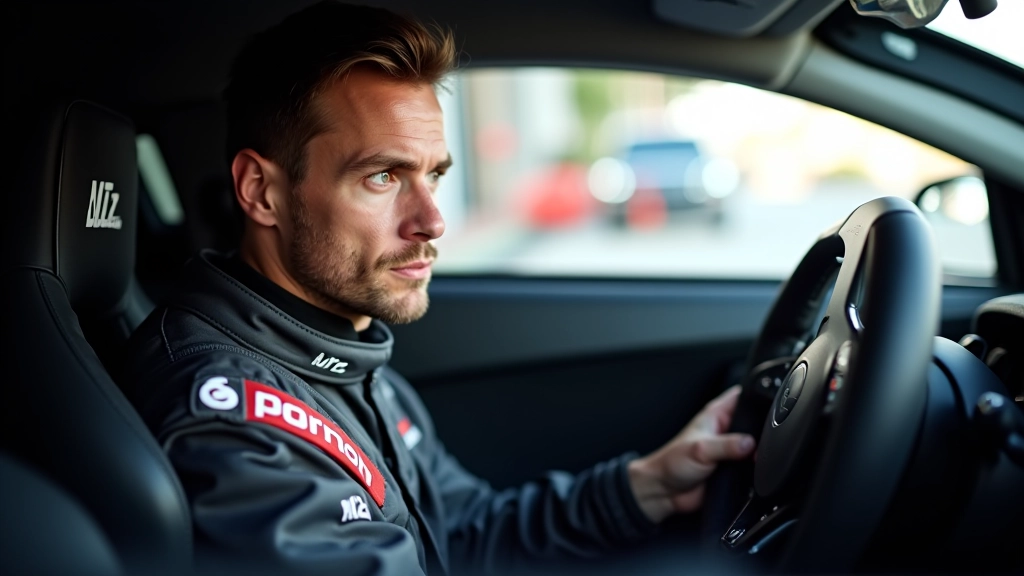
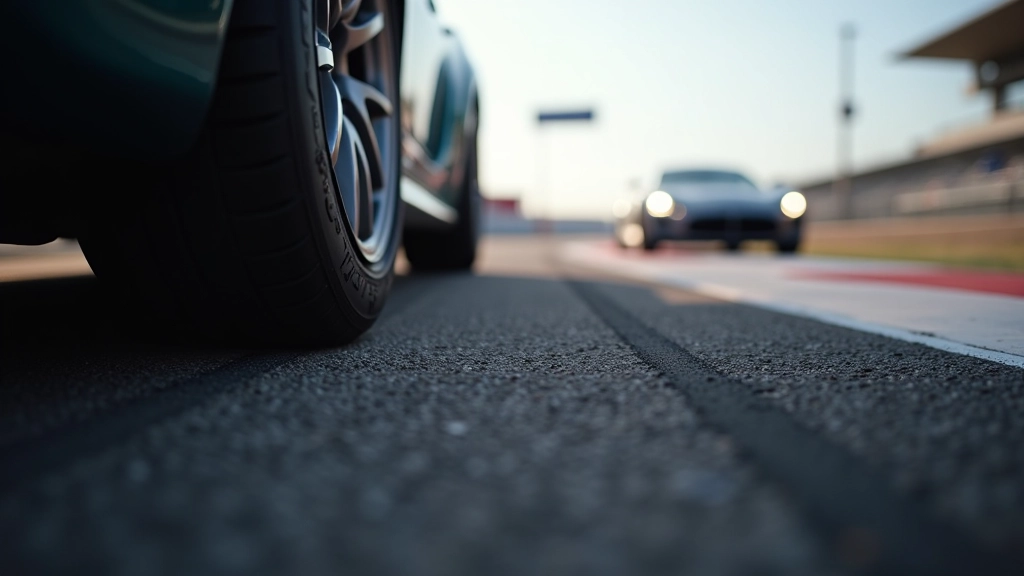
There are several ways to initiate a drift, but the most common on track is the load-transfer method. You're approaching a corner, you brake hard to load the front tires, then as you turn in, you're already asking the car to grip more than it can handle. That sudden demand for grip combined with the brake release and initial throttle creates the perfect moment for the rear to break loose.
Timing is everything. Brake too late and you'll overshoot the corner. Turn in too aggressively and you'll lose the front end. The sweet spot is when you've got just enough momentum, the tires are at their limit, and the steering input says "turn here." That's when the drift begins.
Pro tip: Start your practice in a large empty parking lot or skid pad. You need low-grip surface to learn without high speeds. Once you understand the steering inputs and throttle control, moving to a real track becomes much safer and more productive.
Once the rear's sliding, the real work starts. You're now managing three things simultaneously: steering angle (which determines your direction through the slide), throttle (which controls how aggressive the slide is), and your eyes (which should be looking where you want the car to go, not at the corner apex).
Your steering input needs to be smooth and progressive. Jerky inputs will destabilize the car and kill the drift. Most drivers under-steer initially — they're nervous about the rear coming around too far. The reality is that you'll need more steering input than you expect. Aim for the point where you want to exit the corner, not the entry point.
Throttle modulation is where the real control lives. Too much throttle and you'll spin out. Too little and the car will grip up (the opposite of what you want). You're looking for that sweet spot where you're maintaining the slide angle while carrying momentum through the corner. It's not aggressive — it's precise.
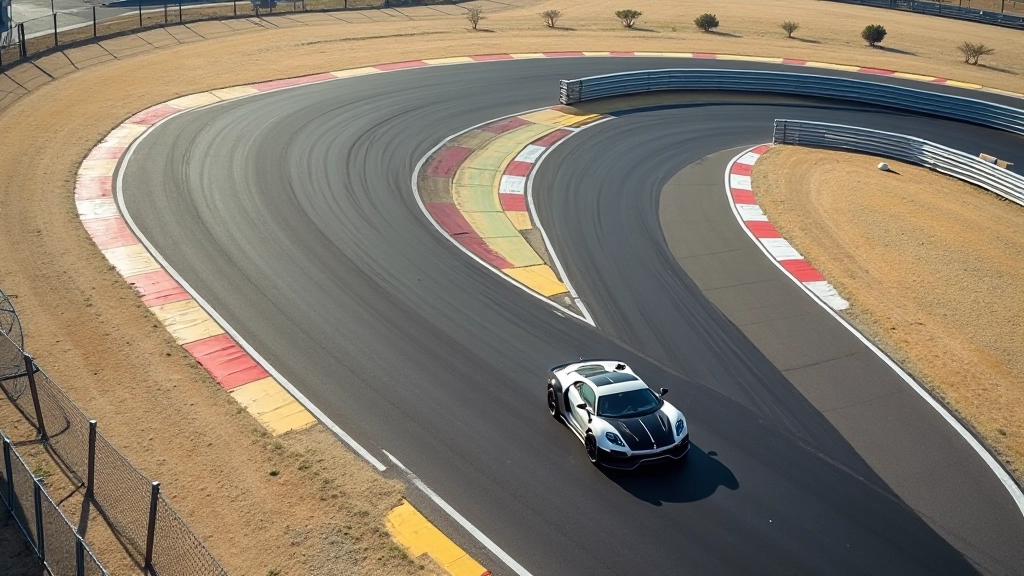
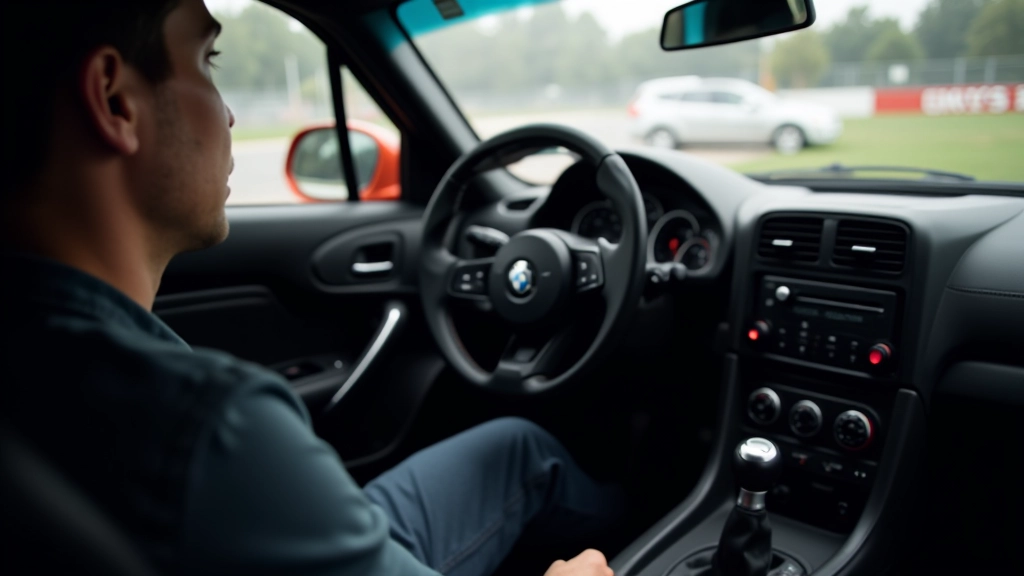
The exit is where many drivers lose control. You're sliding, you've made it through the corner, now you need to transition back to normal grip without spinning. This is all about timing and smoothness. You're reducing steering angle and reducing throttle at the same rate, allowing the tires to gradually come back into the grip zone.
Think of it like a gradual handoff. The slide is supporting you, but you're slowly asking the tires to grip again. If you jerk the steering wheel straight or dump the throttle suddenly, the car will snap back and you'll lose control. Smooth transitions are what separate clean drifts from saves.
Once you're back to gripping, you'll have good momentum through the exit. That's the goal — to exit the corner faster than you would have with a standard line, carrying more speed for the next section of track. It's not about looking cool. It's about carrying momentum.
Drifting is a skill that builds on itself. Your first attempts will feel awkward. Your body and mind are learning new inputs and new feedback. But after 20-30 practice runs, something clicks. Your hands stop fighting the wheel. Your throttle inputs become natural. You start feeling the car instead of thinking about it.
The progression is simple: start slow with smooth inputs, gradually increase speed as you gain confidence, then add complexity. Learn to drift right turns, then left turns. Learn to chain drifts together. Learn different initiation methods. Each new challenge builds on what you already know.
Most importantly, learn on a track or in a controlled environment. Don't try this on public roads. The skills you're building are about precision and control, and they're only safe in a place designed for high-speed driving. That's where you'll develop the muscle memory and confidence that makes drifting second nature.
Editorial Team
Written by the Track Performance editorial team, focused on practical, honest guidance for high-performance driving preparation.
Learn how to safely explore vehicle dynamics, recognize grip limits, and develop confidence in your car's capabilities through structured practice.
Read More
Master the braking methods that separate average drivers from skilled performers. Learn trail braking, threshold braking, and precision deceleration techniques.
Read More
Everything you need to know about preparing your vehicle and yourself for a safe track day. From pre-drive checks to on-track etiquette and emergency procedures.
Read MoreThis article is informational only and is not professional driving instruction or coaching. Drifting and high-performance driving are advanced techniques that carry significant risk. Always practice in controlled environments with proper safety equipment, follow all local laws and track regulations, and consider working with certified instructors. Your safety is your responsibility.